Independent Protective Design Engineering for Vehicle, Blast and Drone Threats
PNH protects people, assets and critical infrastructure against vehicle ramming, blast, drones, stored explosives and armed attack. We define the threat first, then engineer only the protection the site needs.


 SBA-certified SDVOSB (VetCert)
CA SBE/DVBE No. 2034487Independent and engineer-led
We do not make, sell or install barriers or protective productsReply in 1 business day
Fixed-fee proposal in 5 business days
Ten Services. One Protective Strategy.
Most sites face more than one threat. Each PNH service is led by the same engineer, so the layers work together.

Threat, Vulnerability and Risk Assessment
What could happen at a site, how likely it is and how bad it would be, with measures ranked by risk reduced per dollar.
Learn more →
Hostile Vehicle Mitigation
Every credible approach route, the speed a vehicle can reach at each barrier line, and the tested rating that stops it.
Learn more →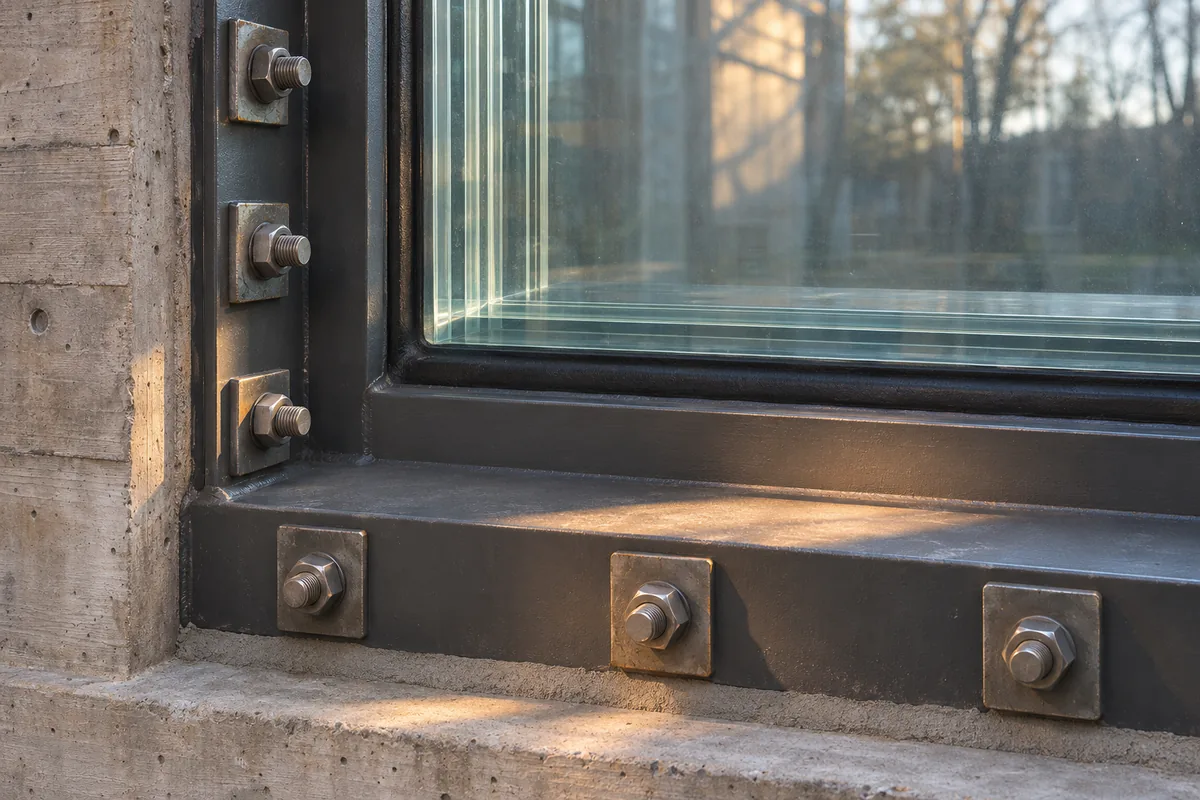
Blast-Resistant Engineering
Blast loads defined, and structure, envelope and openings designed to the agreed level of protection.
Learn more →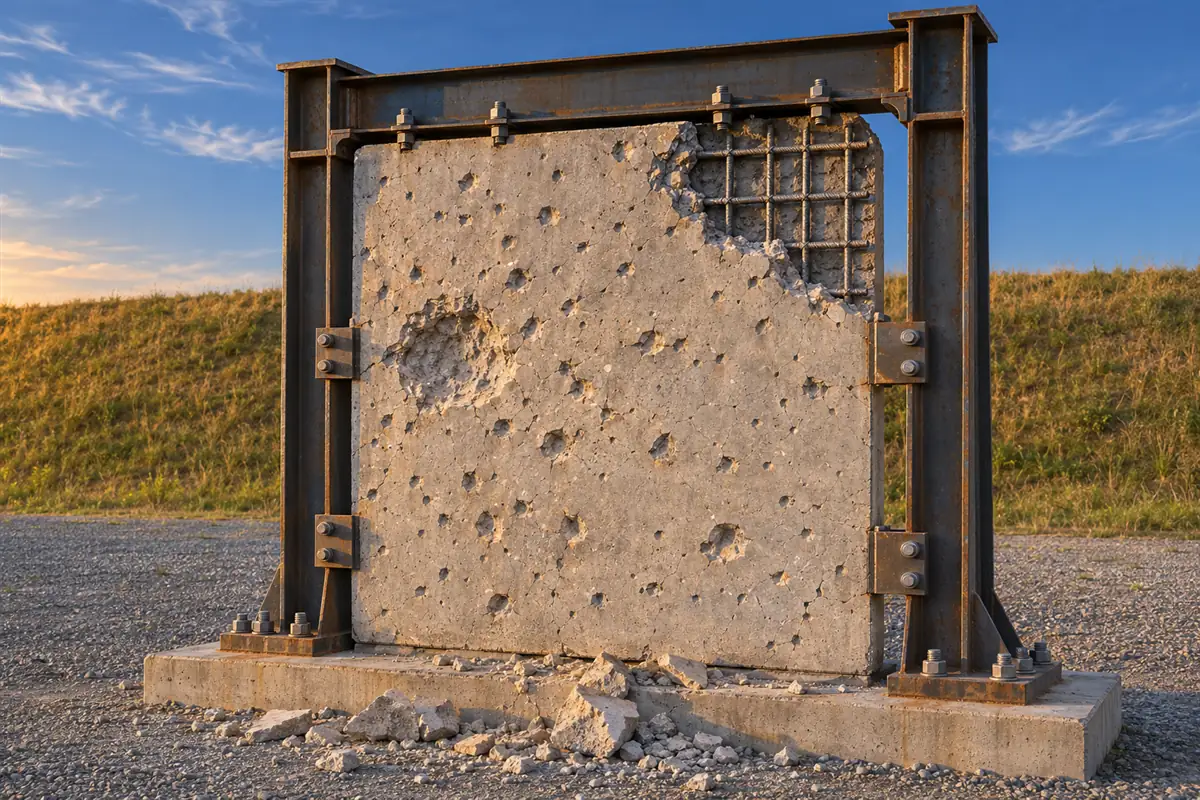
Blast, Fragment and Impact Analysis
What strikes a structure besides the pressure wave: fragments, debris, direct impact and secondary fire.
Learn more →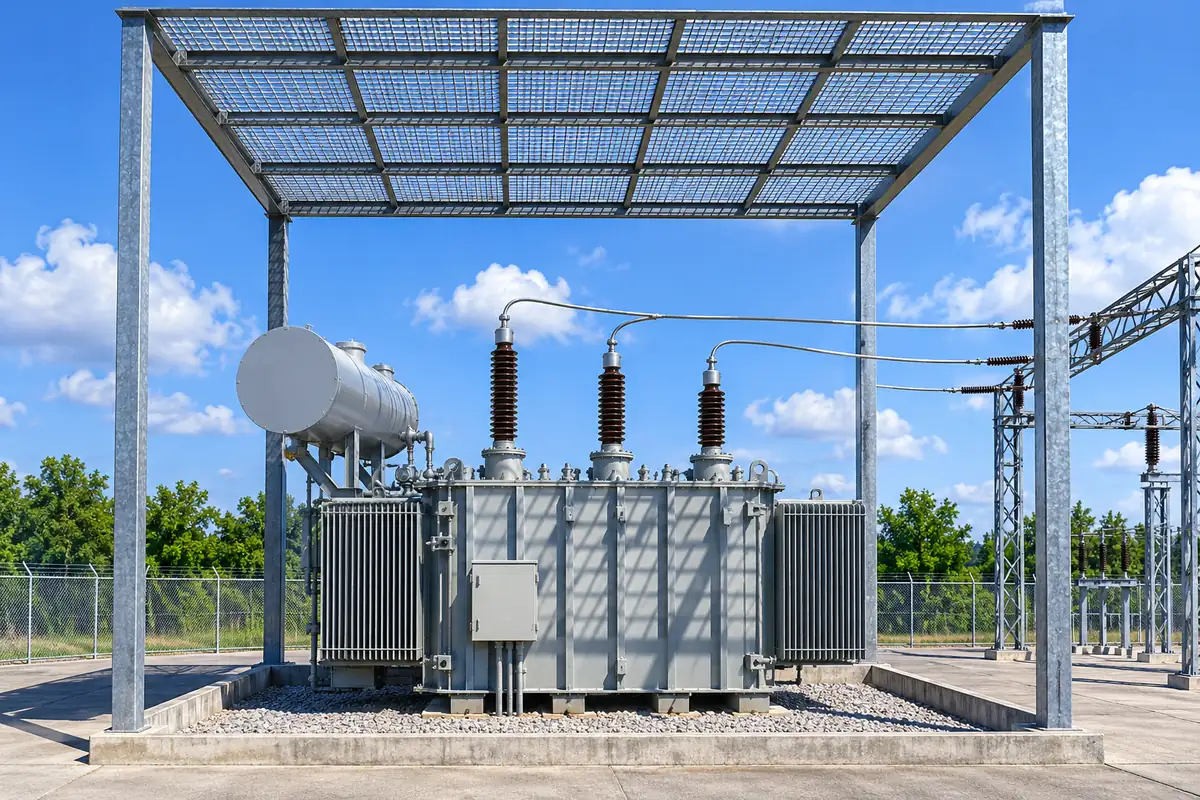
Passive Anti-UAV Protection
Passive protection that keeps a drone-delivered payload away from the equipment a facility depends on.
Learn more →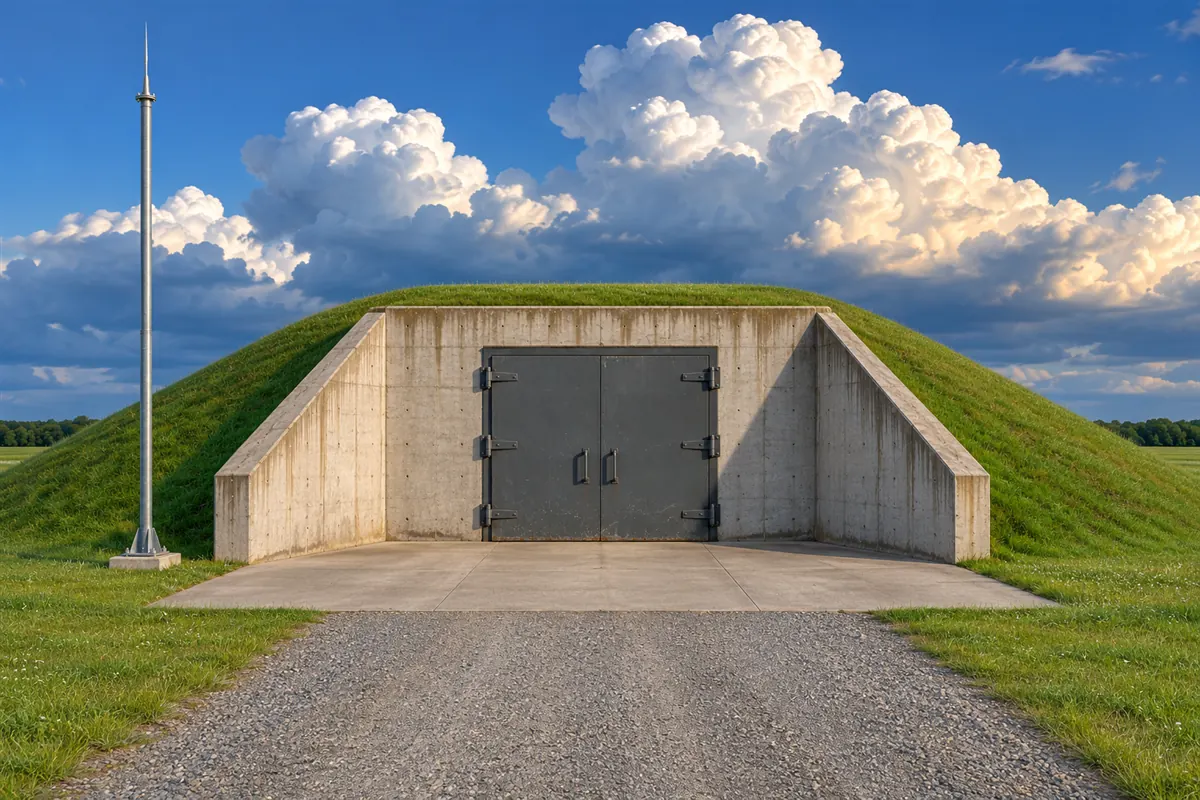
Explosives Safety and Site Planning
Siting, sizing and verification of facilities that store or process explosives.
Learn more →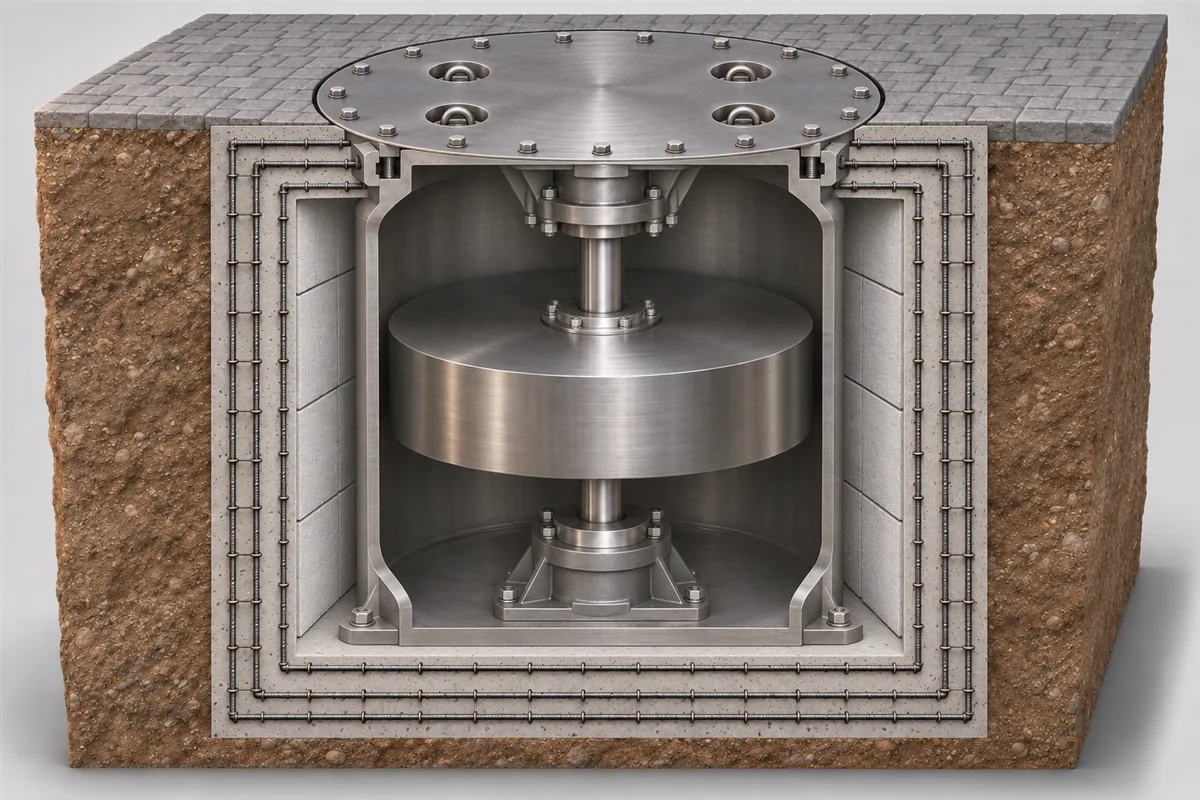
Containment and Protective Enclosures
Enclosures that contain fragments and control blast pressure, so an accident in one room stays in that room.
Learn more →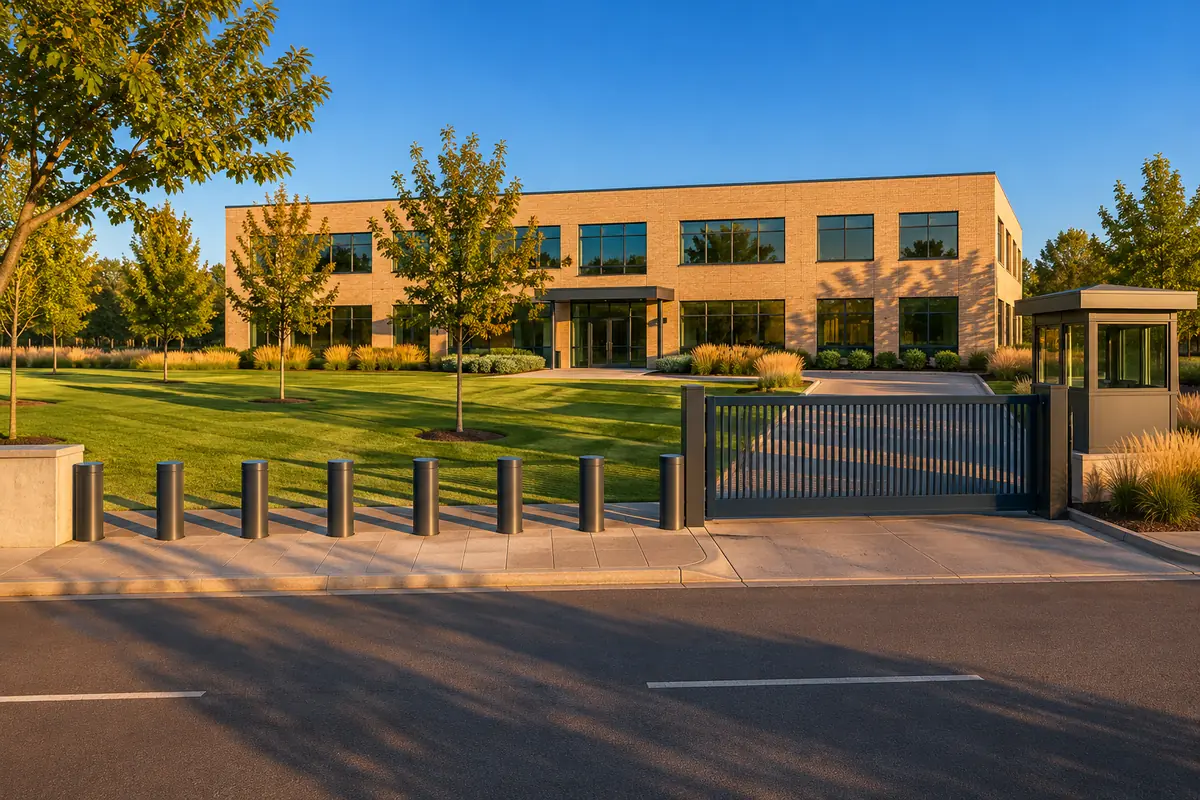
Antiterrorism and Force Protection
Military and federal facilities brought into compliance with antiterrorism criteria, through submittal and review.
Learn more →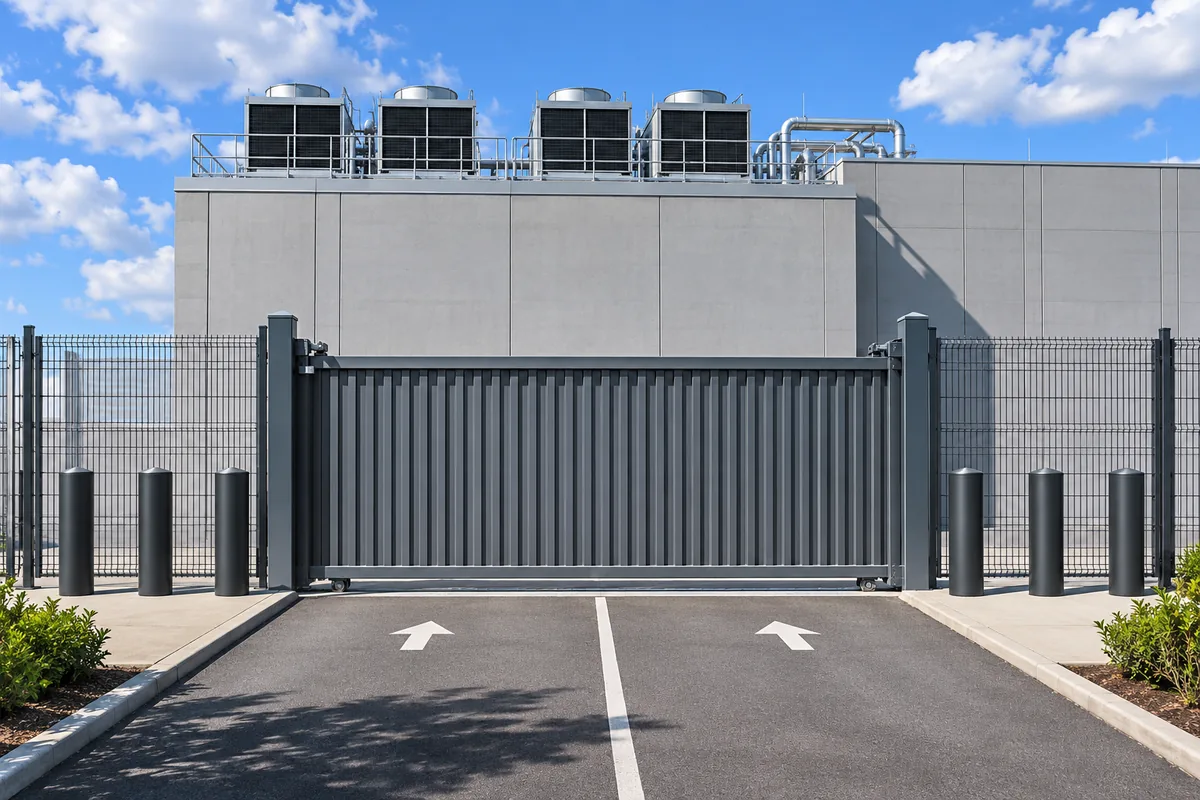
Data Centers and Critical Facilities
Perimeter, entries and the rooms that hold the critical equipment, for operators who cannot take an outage.
Learn more →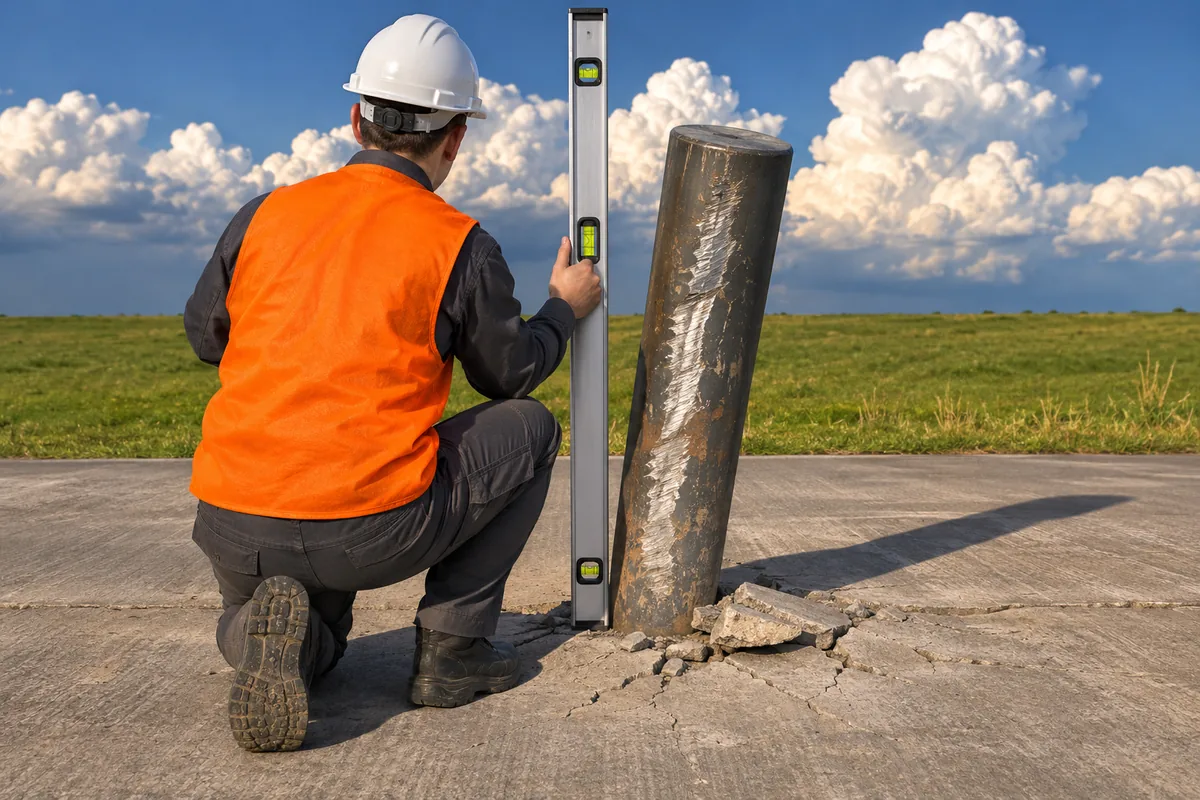
Forensic Engineering and Expert Witness
When a barrier, structure or perimeter fails, we find out why and explain it clearly.
Learn more →
Pre-Bid and Tender Support
Blast, impact and vehicle mitigation packages your estimators can price from, delivered to the tender date.
Learn more →NOT SURE WHERE TO START?Send Us the Site and the Deadline
A short note is enough. PNH recommends the right scope and replies within one business day.
Start a conversation →Why Independence Matters
A barrier, a blast door or a protective net should be chosen because the threat requires it, not because someone sells it. PNH does not make, sell or install barriers or protective products, and never specifies a product it has a stake in. Our specifications describe the performance a site needs, so qualified suppliers can compete on the same terms.
Protection Comes in Layers
Each layer buys time or takes energy out of an attack. PNH sizes each one to the threat that can actually reach it: visible deterrence at the outer zone, standoff that reduces blast and limits speed, tested barriers that delay, structure that withstands, and passive protection above where a drone could bypass the ground layers.
PNH engineers the delay and withstand layers and coordinates them with the deter, detect and response measures others provide.
Our approachWhy Owners, Agencies and Contractors Choose PNH
Independent
We do not make, sell or install barriers or protective products. Every recommendation rests on the site's needs.
Engineer-led
PNH's Chief Technical Officer, a PhD, PSP engineer, leads the design basis, the analysis and the technical meetings.
Tools we wrote ourselves
CORDON, VECTOR, VECTOR-D and an in-house blast response tool, so every number traces back to its inputs.
Fixed fee, agreed scope
Each phase is fixed-fee with defined deliverables and capped revisions. A 100% satisfaction guarantee on agreed scope.
Confidential by default
A mutual NDA before documents are shared. Client identities and project details are never disclosed.
Fast turnaround
A reply in one business day, a proposal in five, and pre-bid packages delivered to the tender date.
Engineering Tools We Wrote Ourselves
Proprietary software built by PNH, so every result in a report can be traced to its inputs.
CORDON™
Which threats matter here, and how much? CORDON grades a crowded place on one scale, from AAA to D, for risk to life and financial loss across nine attack modes. It names the drivers behind each grade and ranks the measures that improve it the most.
Learn more →VEHICLE VECTOR ANALYSISVECTOR™
How hard can a vehicle hit the line? VECTOR models the whole approach route, including bends, run-up length, surface grip and powertrain limits, and solves the speed a hostile vehicle can reach at each barrier line.
Learn more →MULTI-IMPACT DELAY SCREENINGVECTOR-D™
How long will the line hold? A crash rating describes one impact. A determined attack can bring many. VECTOR-D estimates how many deliberate, repeated impacts a rated line can take under stated assumptions, and converts that into a delay band to compare with the response time.
Learn more →Screening tools inform the design. An engineer-reviewed report decides it.
Sectors We Serve

Government and defense
Federal civilian facilities and military installations.
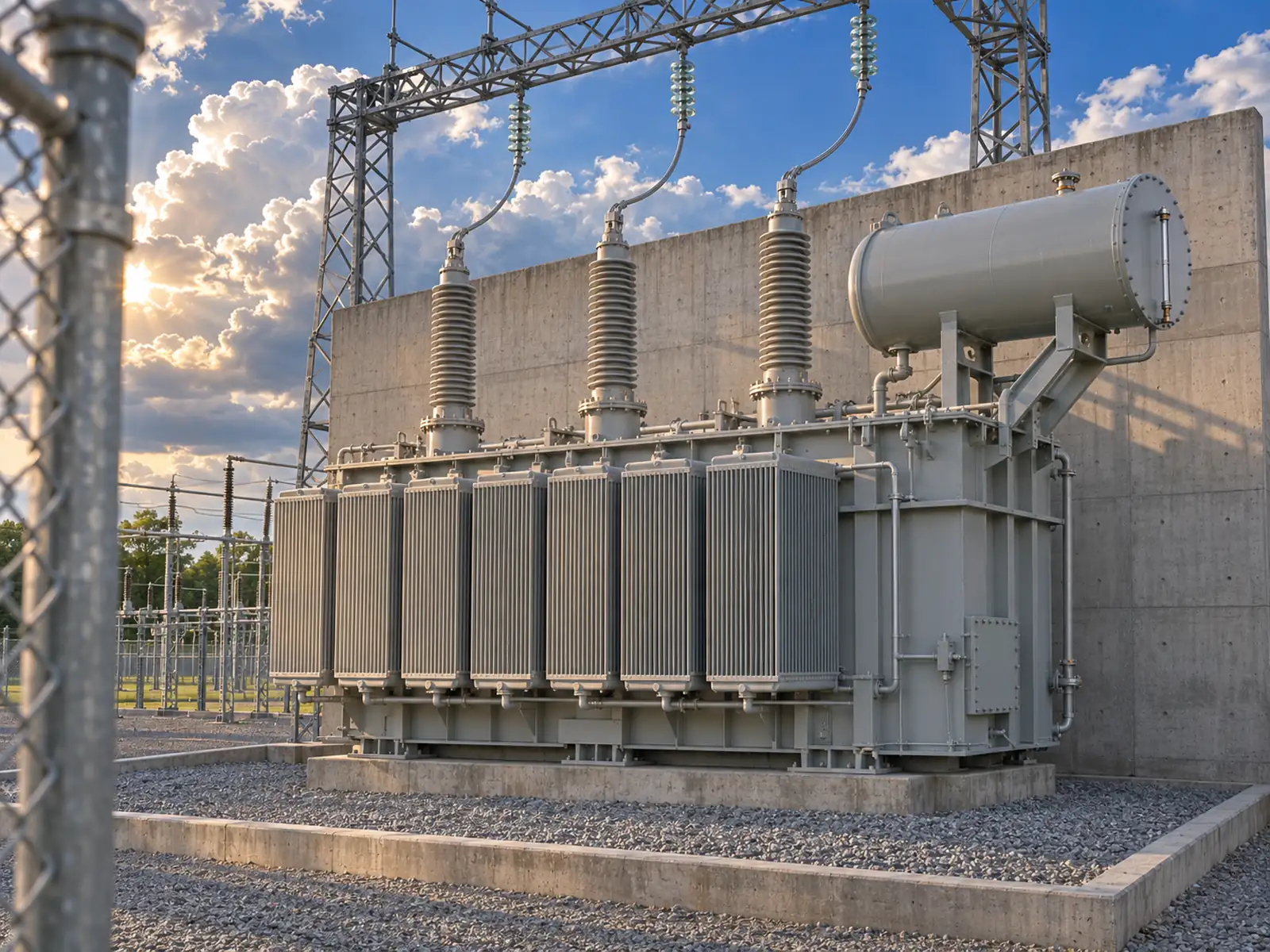
Energy and utilities
Power generation, transmission, oil and gas, water.
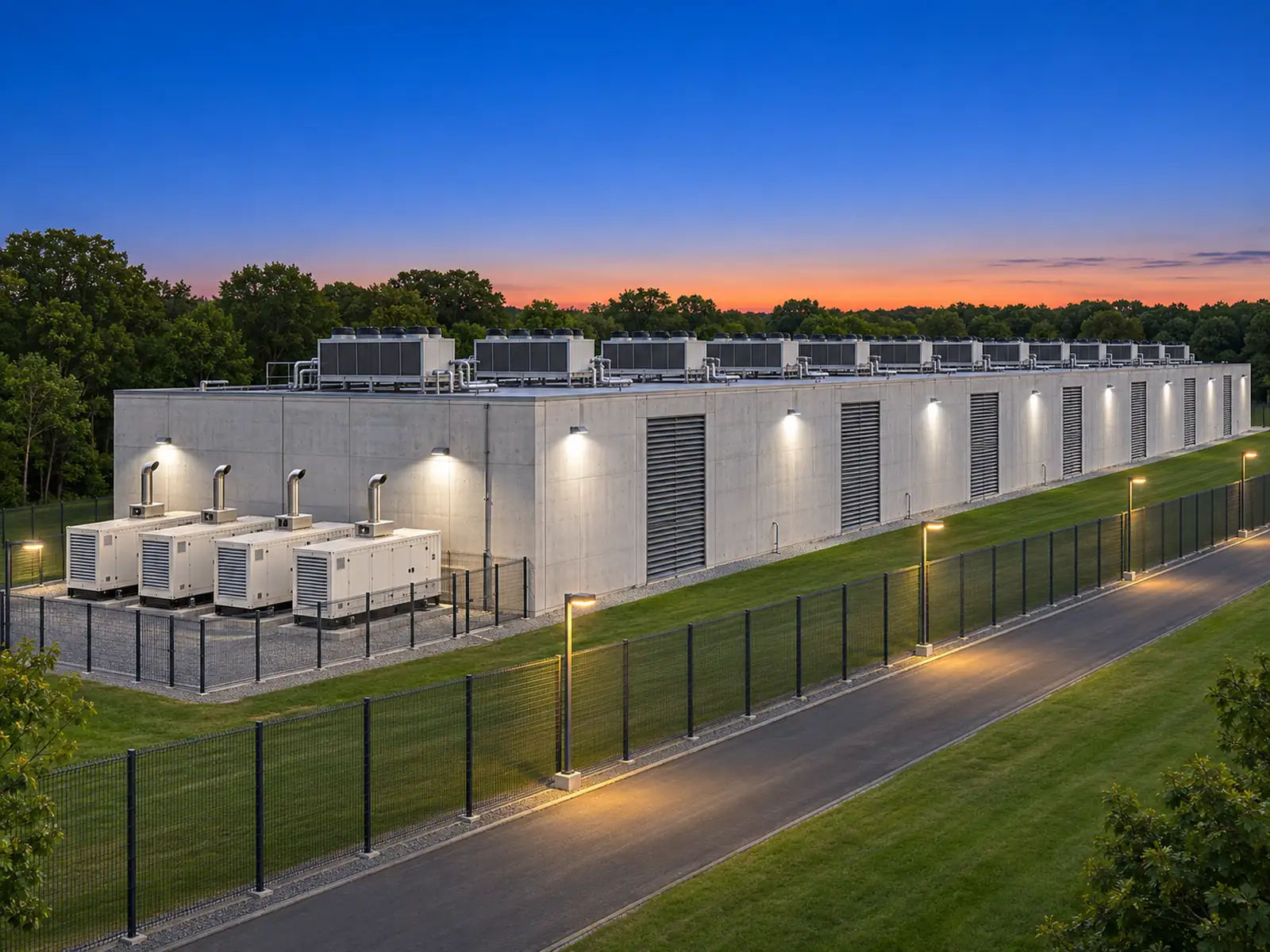
Data centers
Mission-critical facilities with no tolerance for downtime.

Venues and crowded places
Stadiums, arenas, malls, plazas, hospitality and events.

Transportation
Airports, transit and rail facilities.
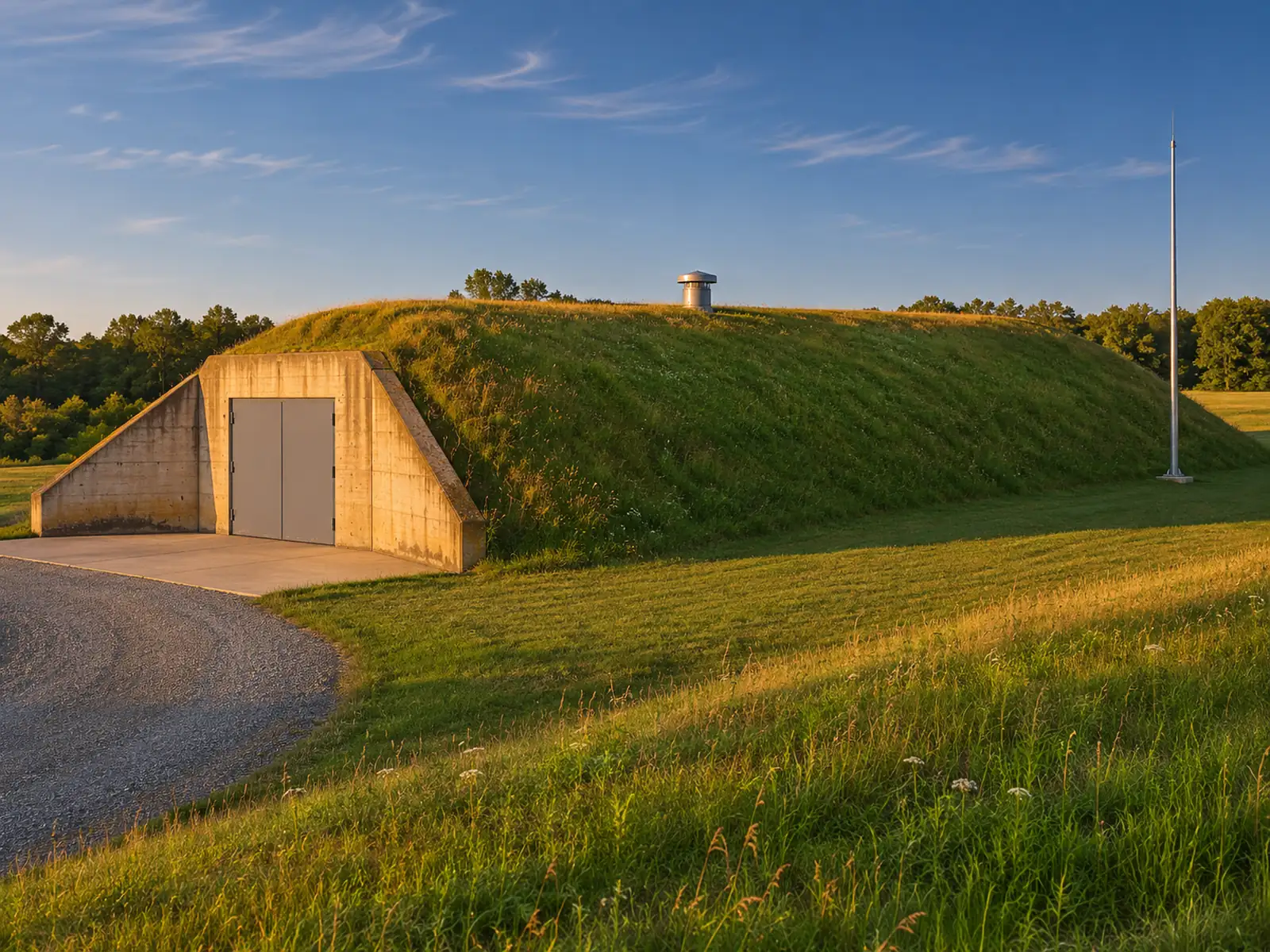
Industrial and energetics
Explosives storage, test cells and process plants.
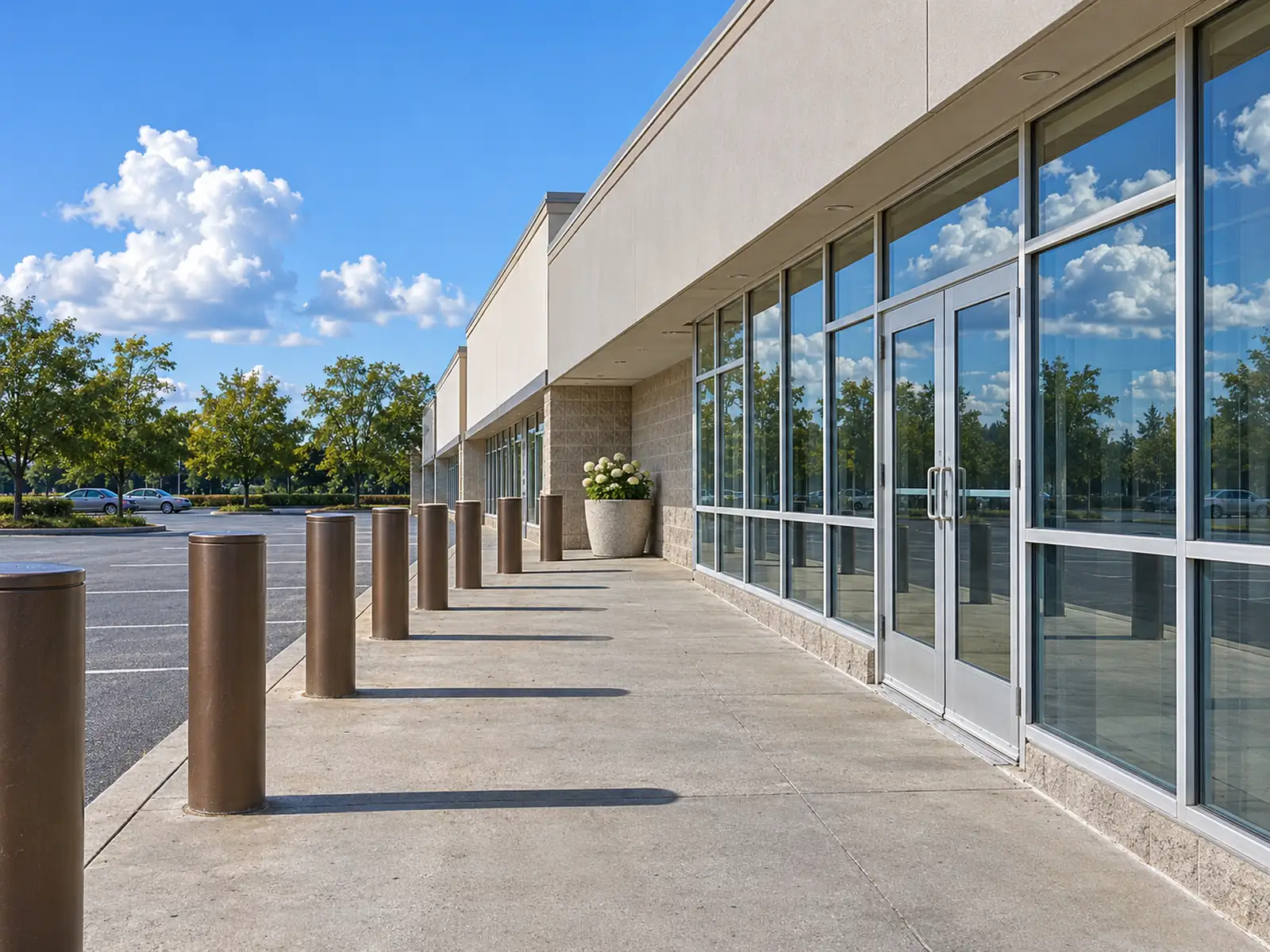
Commercial and retail
Storefronts, offices and mixed-use developments.

Education and healthcare
Campuses, schools and hospitals.
Criteria We Design To
PNH works to the criteria named for each project and cites them clause by clause.
UFC
3-340-02, 4-010-01, 4-022-01/02
ASTM
F2656, F3016
ISO
22343-1
ASCE/SEI
59-22, 76-23
ISC
Risk Management Process
DESR
6055.09
IATG
Explosives safety
NPSA
HVM and crowded places
How We Work
Every engagement follows the same five steps, with a fixed fee for each defined phase.
Introduction
A short call on the site, the threat question and the deadline.
Mutual NDA
Signed directly with you before documents are shared.
Fixed-fee proposal
Defined deliverables and a set number of revisions.
Design basis
Threat and criteria agreed in writing before analysis.
Delivery
Engineer-reviewed reports, supported through approval.
Recent Work, by Type
PNH engagements since 2025, described by type of work only. Client names, locations and project details stay confidential.
Pre-bid blast and impact design
Load assessment, preliminary design, element schedules, interface loads and budgetary quantities that contractors priced their tenders from, including reissues within days after late design-basis changes.
Protective systems specifications
Performance specifications for blast-rated louvers, doors, catch nets and blast-control fences, with indicative layouts for vendor procurement.
Antiterrorism fenestration
Blast-resistant windows and glazed doors with framing, anchorage and the submittal set, supported through government review.
Perimeter and hardened rooms
Vehicle mitigation, access control layout and protective design of critical rooms for operators with no tolerance for downtime.
Get in Touch
Send us the site and the deadline. A short note on the site, what concerns you and when the tender or decision is due is enough to start. We reply within one business day.
- The siteAn address, a site plan or a few photos.
- The concernThe threat question, an incident or a client requirement.
- The criteriaAny standard or client specification that applies.
- The dateWhen the tender, review or decision is due.
Email [email protected] or call +1-818-253-9557
Frequently Asked Questions
What does PNH do?
PNH Security Engineering Consultants engineers protection for people, assets and critical infrastructure against deliberate attack and accidental extreme loads: hostile vehicle mitigation, blast and impact engineering, passive anti-drone protection, explosives safety, antiterrorism and force protection, risk assessment, and forensic engineering and expert witness work.
Is PNH independent of barrier manufacturers?
Yes. PNH does not make, sell or install barriers or protective products, and never specifies a product it has a stake in. Recommendations rest on the site and the threat.
Who leads the engineering?
Every engagement is led by PNH's Chief Technical Officer, Pedram Hesam, PhD, PSP, a protective design engineer with more than 17 years of experience in blast, vehicle impact and other extreme loads.
Is PNH a certified small business?
Yes. PNH LLC is an SBA-certified Service-Disabled Veteran-Owned Small Business (VetCert) and a California SBE/DVBE, certification No. 2034487.
How quickly will you respond?
PNH acknowledges inquiries within one business day and sends a fixed-fee proposal within five business days of the first call.
How is a project priced?
Each phase is a fixed fee with defined deliverables and a set number of client-requested revisions. Changes in threat, inputs or scope are agreed separately before any added work.
Do you sign an NDA before reviewing drawings?
Yes. A mutual NDA is signed directly with the client before any documents are shared. PNH never discloses client identities or carries details from one client's project to another.
Which standards do you work to?
The criteria named for each project, typically UFC 3-340-02, ASCE/SEI 59-22, UFC 4-010-01, ASTM F2656, ASTM F3016, ISO 22343-1, DESR 6055.09 and the owner's own specifications. Every deliverable cites the criteria clause by clause.
What are M-rated and S-rated barriers?
M ratings come from ASTM F2656 vehicle crash tests: M is a medium-duty truck and the number is the nominal impact speed in mph, as in M30 or M50. S ratings come from ASTM F3016 low-speed surrogate tests used for storefronts and pedestrian areas, as in S20 or S30. In both, the P rating states how far the front of the test vehicle's cargo bed traveled past the barrier's pre-test attack face: P1 to P3 in the current ASTM F2656/F2656M-23, and P1 or P2 in ASTM F3016.
Do you install bollards or barriers?
No. PNH specifies the tested performance each location needs, reviews vendor test evidence and submittals, and supports the owner through installation review. Supply and installation stay with qualified vendors.
Do you work with architects and contractors?
Yes. Most PNH work supports architects, engineers of record and EPC or design-build contractors, from pre-bid design to responses to review comments.
What is your satisfaction guarantee?
If a deliverable does not meet the agreed scope, PNH corrects it at no added fee.