Threat, Vulnerability and Risk Assessment
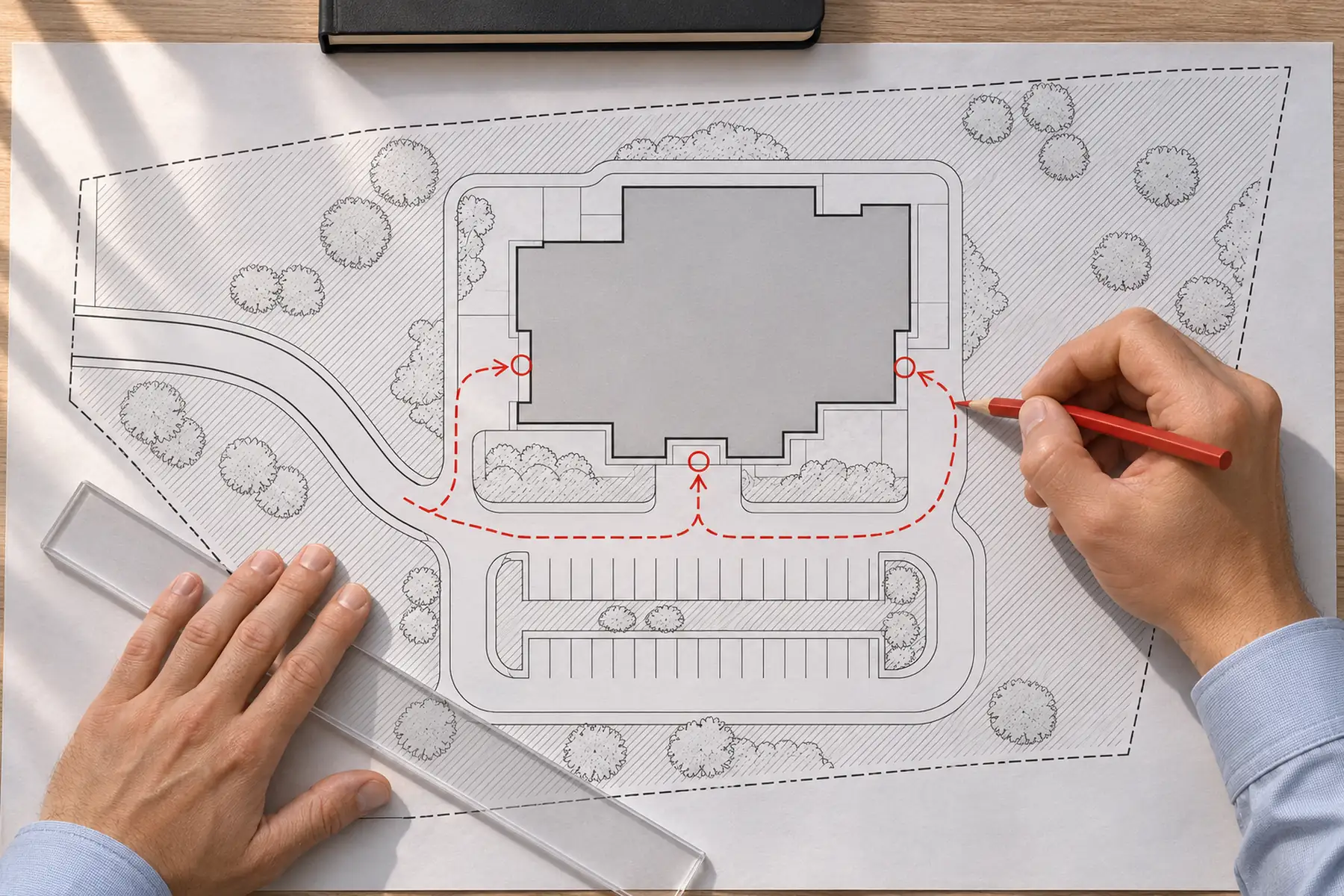
We identify what could happen at a site, how likely it is and how bad it would be. Then we rank the measures that reduce the most risk for the money, from operational changes to engineered protection.
What PNH Does
Threat characterization
Explosive, fragment, incendiary, vehicle, unmanned aircraft and armed attack threats, defined for the site and its use.
Vulnerability review
Site survey of approaches, standoff, envelope, access control and the people and operations at risk.
Risk ranking
Each threat graded on likelihood and consequence, with the main risk drivers named.
Mitigation options
Measures ranked by risk reduction and cost, from operational changes to engineered protection.
Crowded places
Retail centers, stadiums, plazas, events, hospitality, campuses and transit.
Portfolio screening
Many sites graded on one scale with CORDON, so budgets go where risk is highest.
Independent and Engineer-Led
PNH does not make, sell or install protective products. Analysis is performed in house with PNH's own tools and issued under the review of PNH's Chief Technical Officer. Every assumption is documented and traceable to the governing criteria.
Related Services

Hostile Vehicle Mitigation
Every credible approach route, the speed a vehicle can reach at each barrier line, and the tested rating that stops it.
Learn more →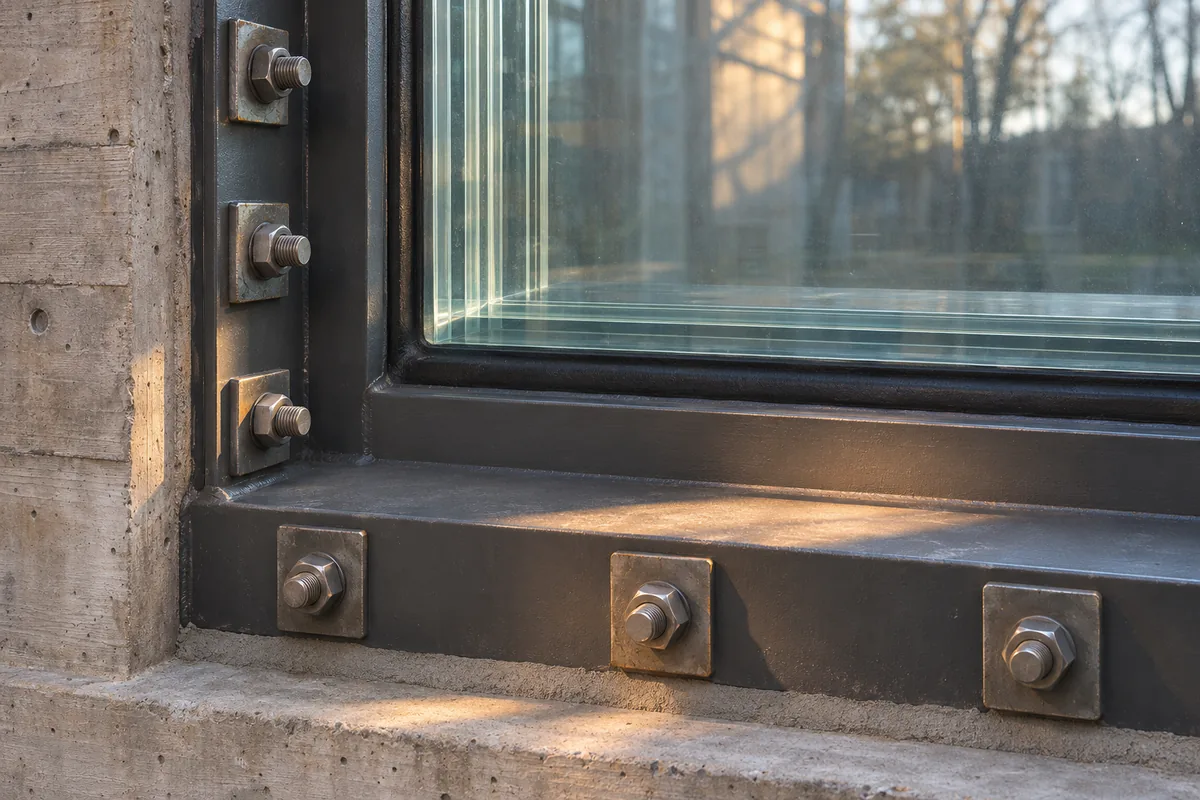
Blast-Resistant Engineering
Blast loads defined, and structure, envelope and openings designed to the agreed level of protection.
Learn more →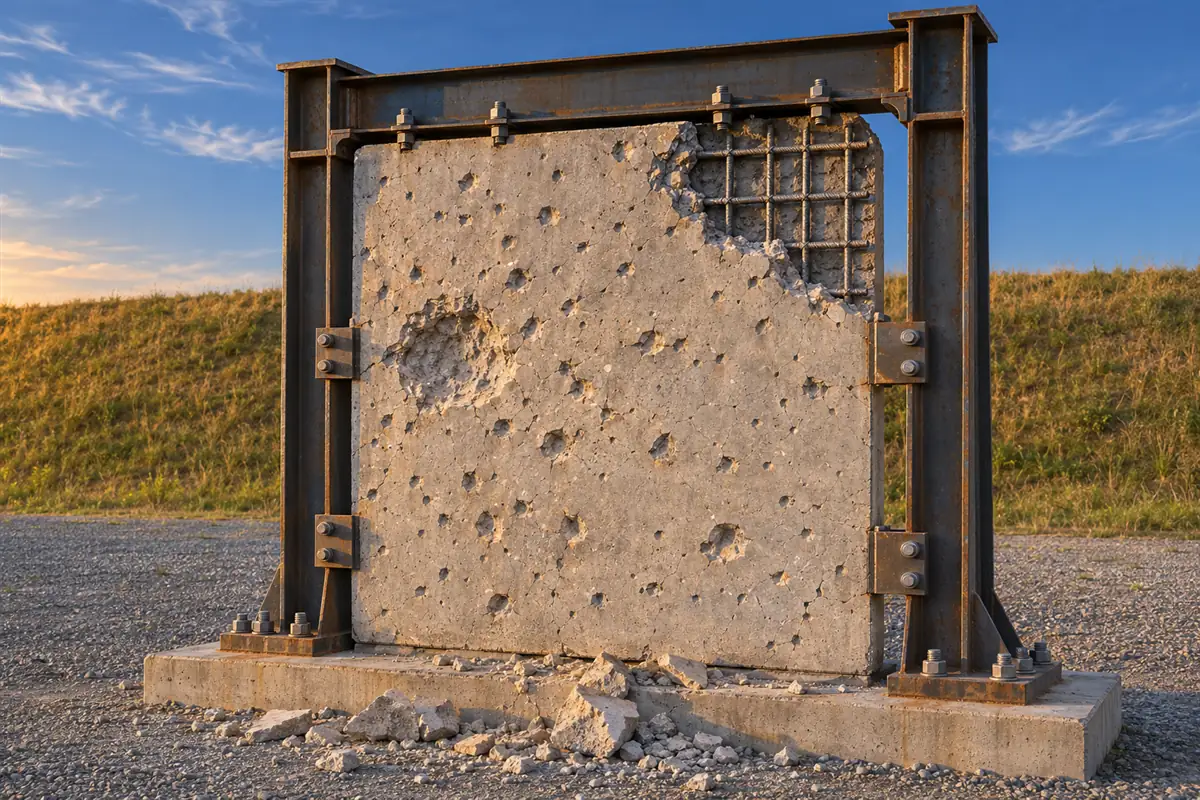
Blast, Fragment and Impact Analysis
What strikes a structure besides the pressure wave: fragments, debris, direct impact and secondary fire.
Learn more →Threat, Vulnerability and Risk Assessment: Common Questions
What is the difference between a threat assessment and a vulnerability assessment?
A threat assessment defines what could realistically be used against a site: vehicles, explosives, drones or armed attack. A vulnerability assessment looks at how the site, its approaches and its operations would hold up against those threats. Risk combines both with the consequence of a successful attack.
How long does a risk assessment take?
Most single-site assessments are scoped as a fixed-fee engagement with the schedule agreed in the proposal. PNH sends a proposal within five business days of the first call.
Do you assess crowded places such as stadiums, malls and hotels?
Yes. Crowded places are a core focus. PNH grades them with CORDON across nine attack modes and ranks the measures that improve the grade the most.
Discuss Your Threat, Vulnerability and Risk Assessment Project
Send us the site and the deadline. A short note on the site, what concerns you and when the tender or decision is due is enough to start. We reply within one business day.
- The siteAn address, a site plan or a few photos.
- The concernThe threat question, an incident or a client requirement.
- The criteriaAny standard or client specification that applies.
- The dateWhen the tender, review or decision is due.
Email [email protected] or call +1-818-253-9557